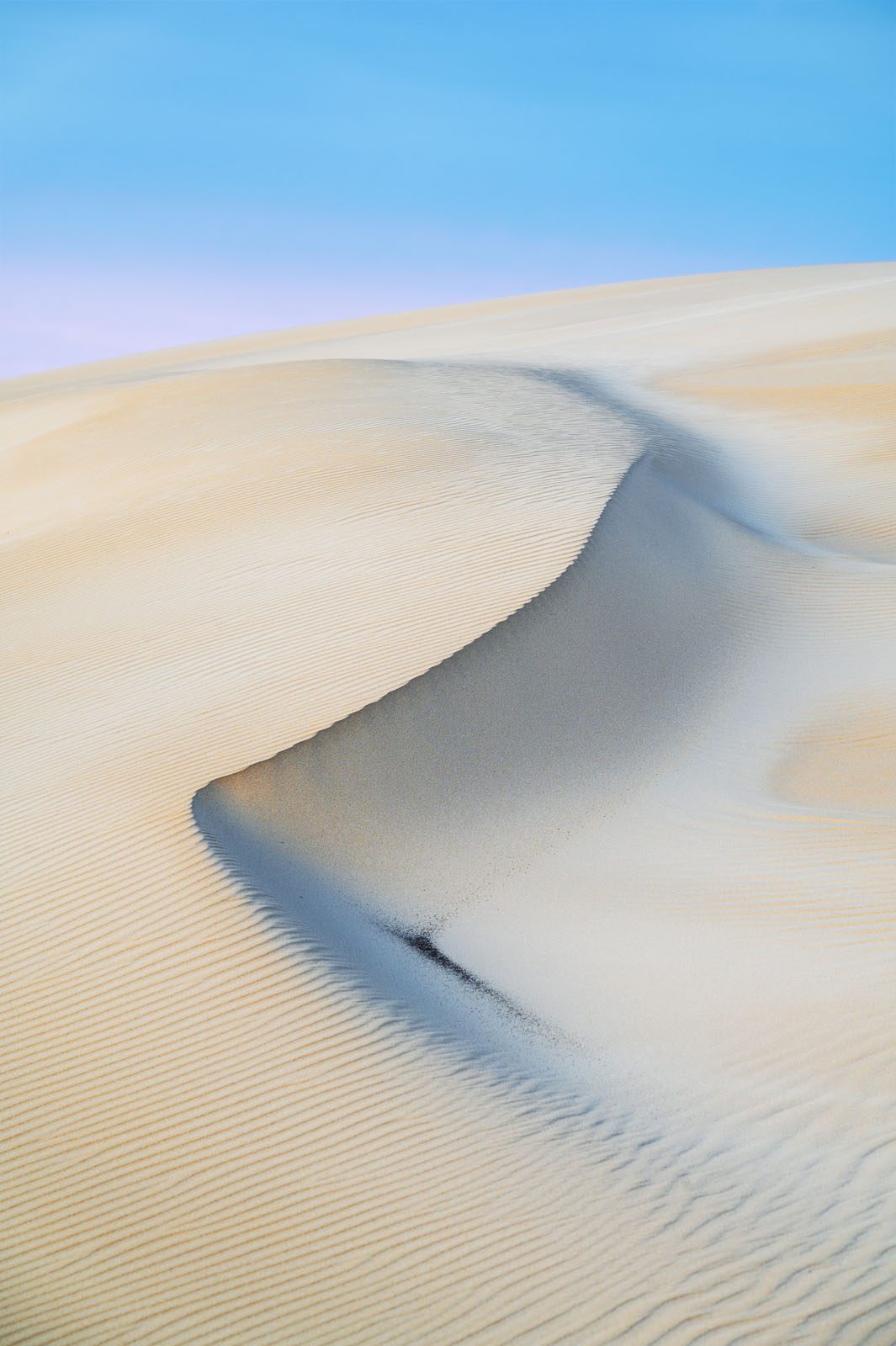
Dune Crest Ridge
Late afternoon golden hour
Capture the undulating patterns of sand ripples along the high ridges during the late afternoon shift.

The Bahra Desert outside Jeddah offers vast dune fields and open skies, but the harsh midday sun and fast-changing light demand careful timing. This guide covers the arrival windows that yield usable exposures, the landforms that anchor a composition, and the practical constraints of shooting in open sand.
Quick answer
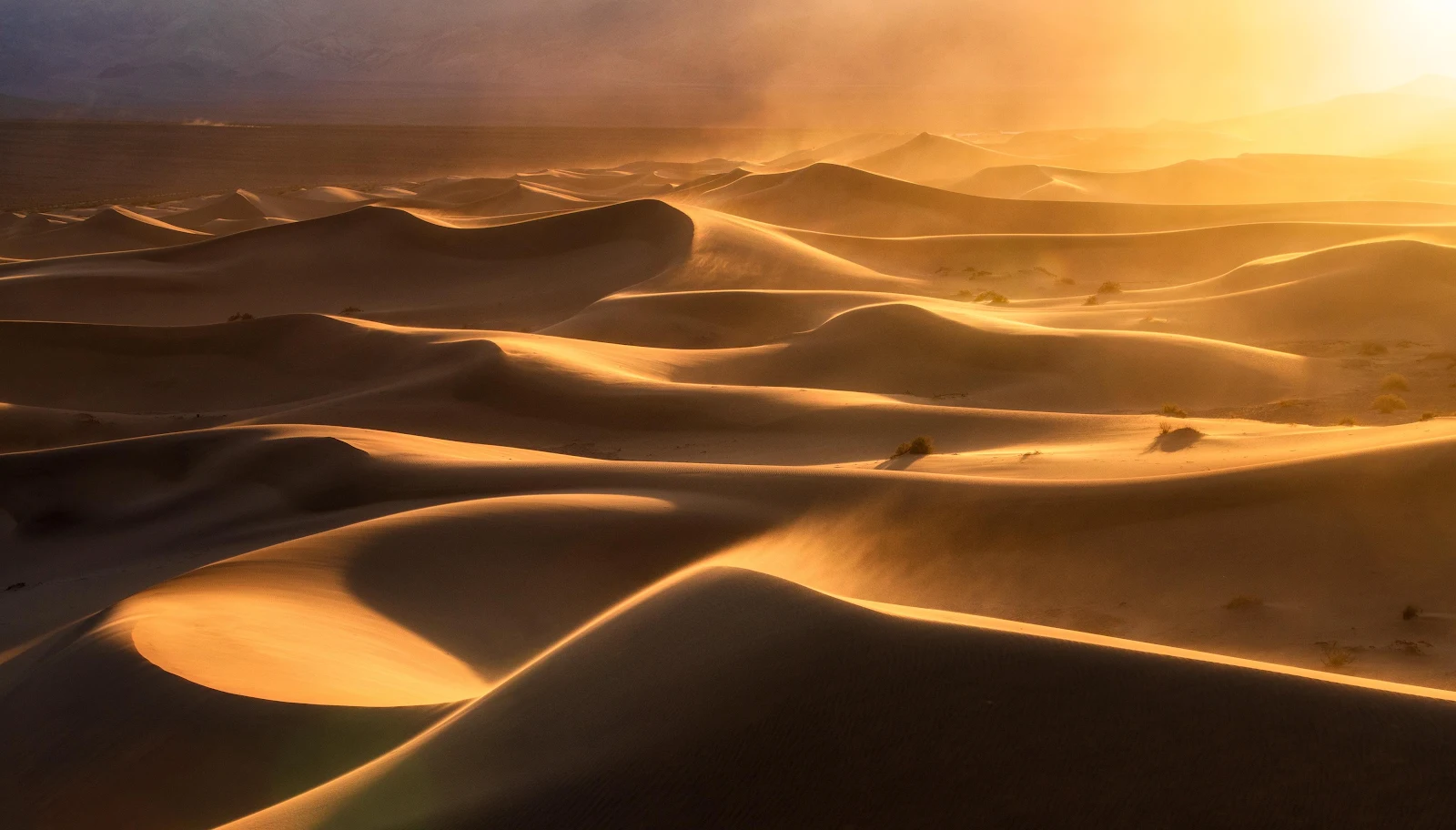
Desert safari Jeddah photos succeed when shot during the early morning window (07:00–09:30) or late afternoon golden hour (15:30–18:00), when low-angle sunlight creates texture across the dunes and temperatures remain manageable. The Bahra Desert terrain features rolling red sand formations, scattered acacia groves, and unobstructed horizon lines. Midday light flattens contrast and produces washed-out exposures, making the golden-hour brackets essential for capturing depth and shadow detail.
The Bahra Desert stretches across Makkah Province with minimal vegetation and few built landmarks, a geography that rewards photographers who understand how sand behaves under changing light. Wind reshapes the dune crests nightly, meaning the same ridge photographed at dawn may present an entirely different silhouette by sunset. Texture emerges only when the sun sits low enough to cast shadows along the ripple patterns, a window that opens roughly two hours after sunrise and closes two hours before dusk. Desert safari Jeddah photos rely on contrast between illuminated slopes and shaded troughs, a dynamic that disappears when the sun climbs overhead. Between 11:00 and 15:00, the vertical light eliminates shadow definition and pushes exposure values into a narrow band that produces flat, featureless frames. Photographers arriving during this bracket often spend the hour waiting in vehicle shade rather than attempting compositions that will lack dimensionality. The late-afternoon session from 15:30 onward provides the warmest color temperature, with sand taking on amber and copper tones as the sun descends toward the Red Sea horizon. Composition in open desert centers on foreground anchors—camel footprints, windblown grasses at dune bases, or the serpentine ridgeline where two dunes meet. Without these elements, the eye finds no entry point into the frame. Wide-angle lenses (16–35mm) capture the scale of the dune fields, while longer focal lengths (70–200mm) isolate individual crests and compress the layers of receding ridges into stacked bands of tone. Circular polarizers cut glare from sand surfaces and deepen the sky, though their effect weakens as the sun drops below 30 degrees elevation. Gear preparation matters as much as timing. Sand infiltrates camera bodies through every unsealed gap, making weather-sealed housings and lens hoods non-negotiable. Batteries drain faster in heat, and LCD screens become difficult to read under direct sun, so chimping after every shot wastes both power and shooting time. Most guides recommend arriving with fully charged backups and a microfiber cloth dedicated to lens-element cleaning. The desert's openness also means no natural windbreaks—tripods require sandbags or stakes on breezy days, and lightweight travel tripods tip easily once a telephoto lens is mounted.
“Wind reshapes the dune crests nightly, meaning the same ridge photographed at dawn may present an entirely different silhouette by sunset.”
The best arrival window is 07:00–17:00, which avoids extreme midday heat and provides optimal natural light for photography. Planning your visit during these hours ensures soft light for landscapes and portraits while minimizing harsh, vertical shadows.
Mild, 20°C to 28°C. Lower temperatures allow for comfortable extended outdoor sessions.
Warm, 25°C to 33°C. Clear skies provide consistent lighting for desert textures.
Hot, 30°C to 42°C. Morning arrivals are necessary to capture light before peak heat.
Verdict: The best slot for photography is weekday mornings between November and February, arriving at 07:00 for the softest lighting conditions.
Late afternoon golden hour
Capture the undulating patterns of sand ripples along the high ridges during the late afternoon shift.
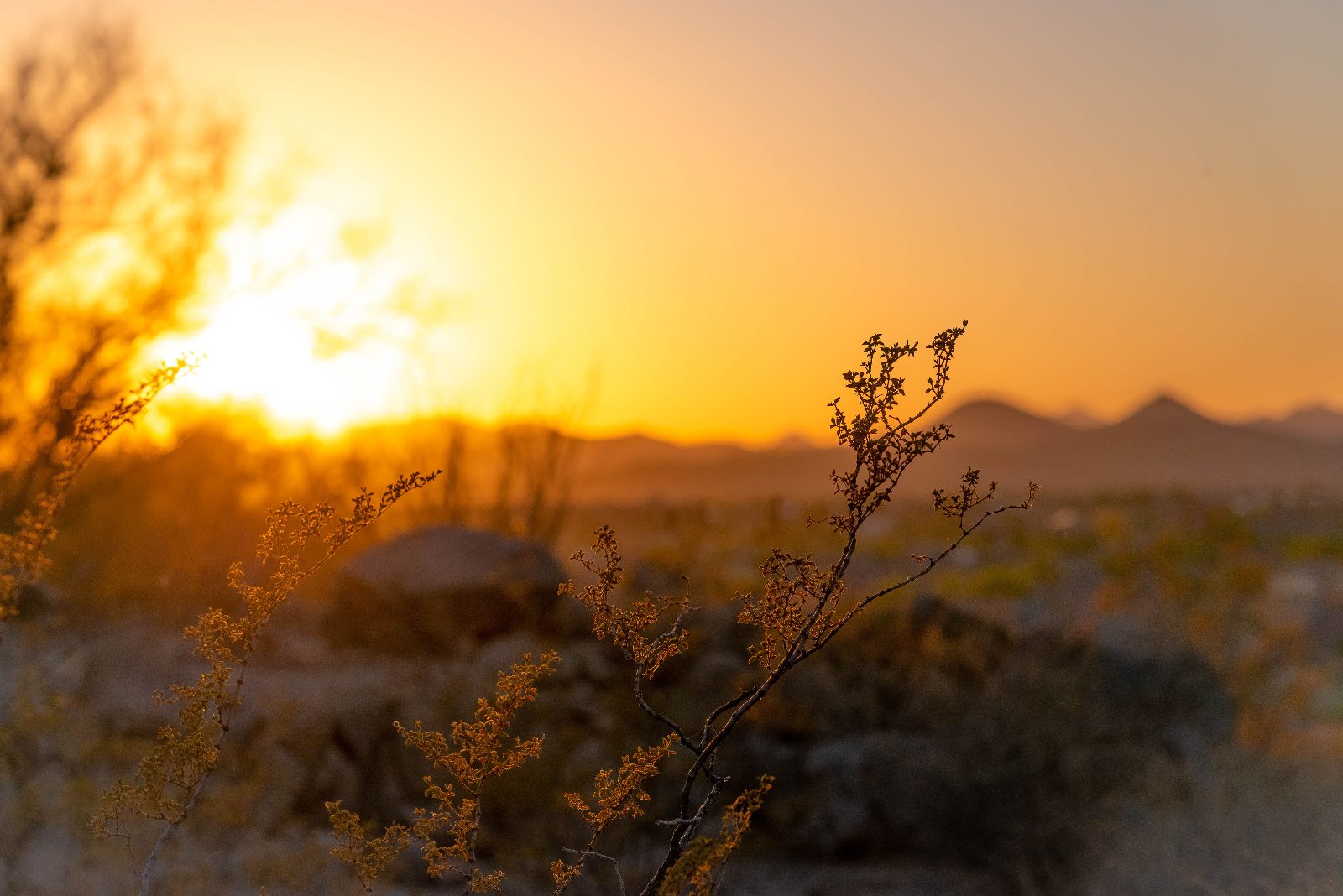
Before sunset
Position the camera low to emphasize the long shadows cast by the desert slopes.
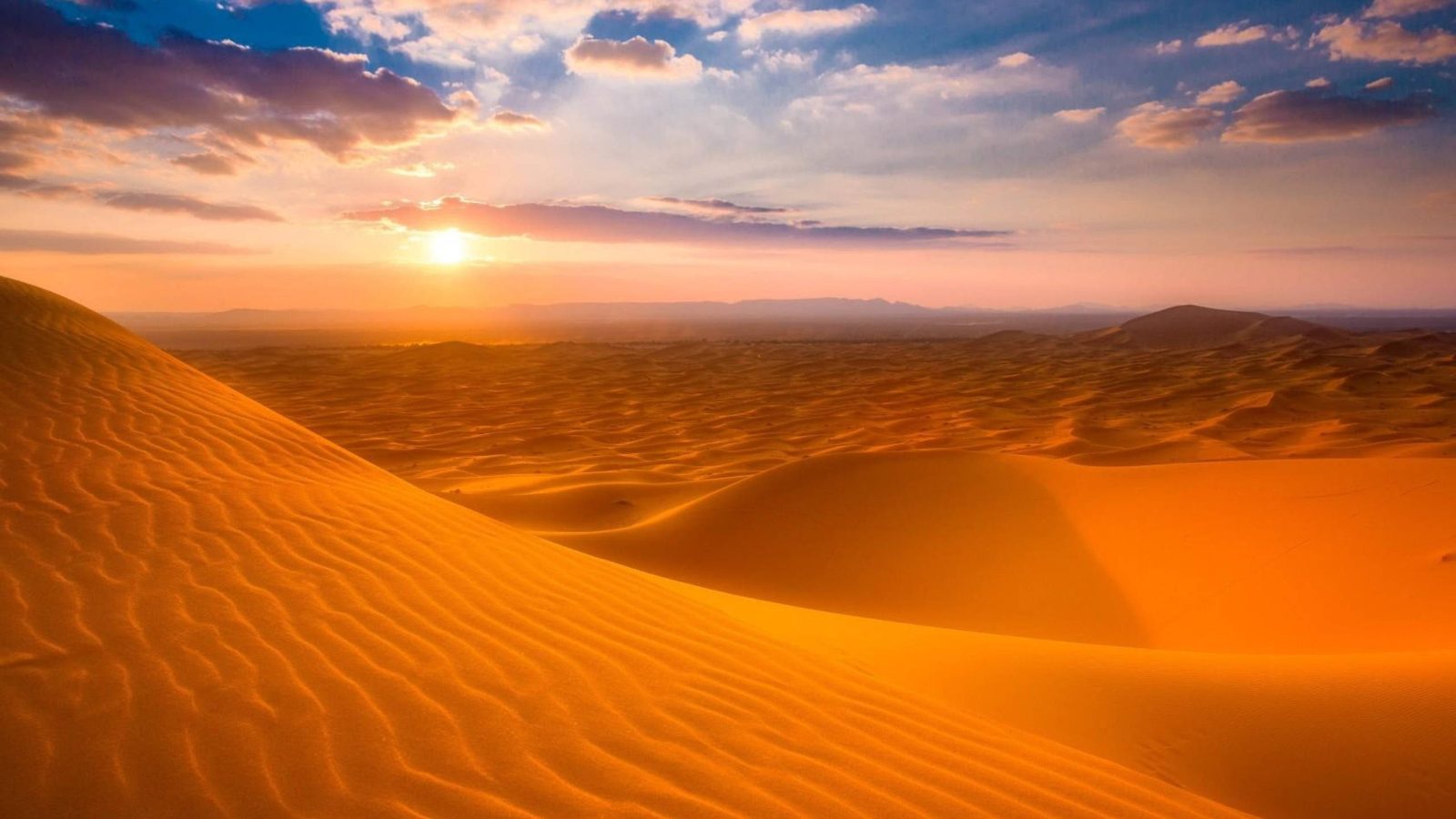
Early morning or late afternoon
Use a wide-angle lens to document the vast, unobstructed landscape of the Bahra Desert plains.
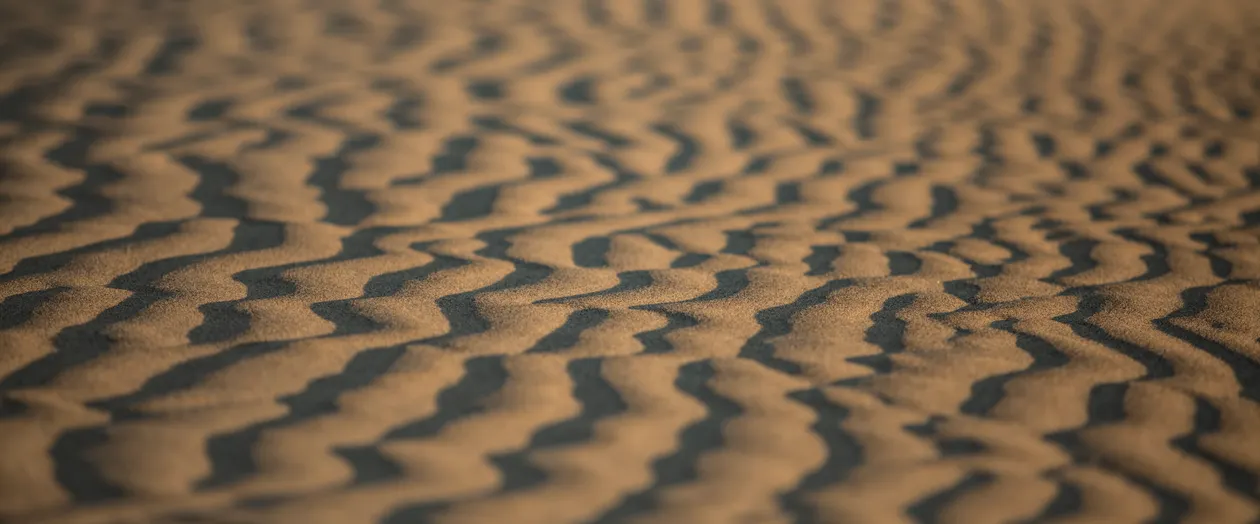
Mid-morning for distinct shadows
Focus on the fine grains and wind-swept patterns on the surface of the dunes.
The Jeddah Desert is open daily to visitors for photography and exploration. The following schedule outlines the hours available for planning your visit.
Access to the open desert in Bahra is free of charge for all visitors. Costs for photography expeditions depend entirely on the specific guided transport or professional photography services booked.
Verdict: An individual pays 0 SAR for desert access, though additional costs apply when booking private transport or guided photography services.
The photography locations are situated in the Bahra Desert, Jeddah, Makkah Province, Saudi Arabia. The most reliable way to reach this area is by private or rented vehicle, as public transportation does not service the open desert dunes.
Route 40 (Jeddah-Makkah Highway) to Bahra exit
Direct hire from Jeddah city center to Bahra
Use a 4x4 vehicle if you intend to travel off-road to reach specific photography vantage points. Ensure your camera gear is securely packed in dust-proof cases before traversing sandy terrain.
The Bahra Desert landscape is shared by local communities and wildlife. Respectful photography helps preserve the environment and honors cultural norms.
Everything you need to know about desert safari jeddah photos
The best time for photography is during the early morning or late afternoon to utilize soft golden light. Arriving between 07:00 and 17:00 ensures you avoid the harsh midday sun and capture the best landscape textures.
Public access to the open desert is 0 SAR. Guided tours and specific activities require paid bookings through private operators.
Bringing a wide-angle lens is helpful for landscape shots, while a telephoto lens captures dunes and wildlife. A tripod is useful for stability if you plan to capture sunset time-lapse sequences in the Jeddah landmarks.
Children are welcome to visit the desert, provided they are supervised at all times. It is wise to bring plenty of water and sun protection to ensure a comfortable environment for younger visitors.
Private photography sessions are generally permitted, though you should verify rules if booking a commercial desert safari jeddah tour. Always respect the natural environment and local customs while capturing your memories.
To achieve the best results for your photos, arrive within the 07:00–17:00 window. This timeframe provides consistent natural light and avoids the peak heat of the day.